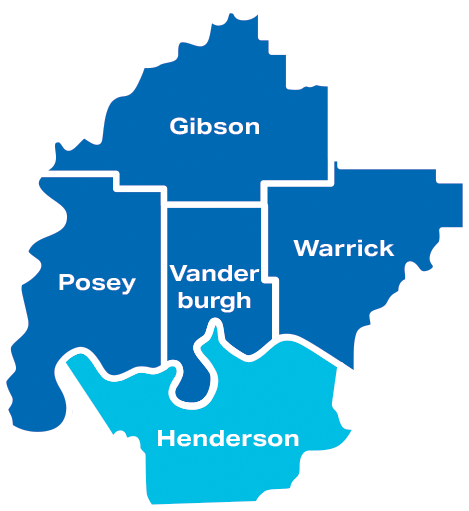
The Greater Evansville Health Survey (GEHS) report utilized a mail survey with a focus on healthcare access, chronic disease, and factors influencing health. This latest edition builds on earlier studies commissioned by Welborn in 2008, 2015, and 2021, though methodological changes mean only results from 2021 onward can be compared. Between January and March 2025, nearly 2,000 adults from Vanderburgh, Posey, Gibson, and Warrick Counties in Indiana, and Henderson County, Kentucky completed surveys and provided health data on more than 300 children. This edition offers valuable insights to be combined with unique needs and perspectives of local communities for effective delivery of health strategies.
Why Health Matters
Physical and mental health contribute to length and quality of life. When people lead healthy lifestyles, live in environments designed to support healthy choices, and have easy and equitable access to what they need to be healthy – good health is more easily achieved. However, many in our region have difficulty attaining and maintaining good health. Low incomes, inadequate access, personal choices, and home environments can all be barriers to good health. This survey report celebrates health wins, points to areas of concern, and encourages communities to continue investing in services and environments that promote residents’ health.
This report shows progress worth celebrating, with some health indicators moving in the right direction. Yet concerns remain: several key measures are worsening, mental health emerges as a top challenge, and low-income households continue to face significant barriers to health and well-being.
Health improvements worth celebrating More adults are physically active, housing conditions for most are trending towards health, built environments are shifting towards active living, and fewer adults are binge drinking and smoking.
Key indicators show signs of worsening Fewer adults rate health as excellent, adults are spending more days each month with poor health, and chronic disease rates are holding steady or have increased.
Mental health is a top concern Rates of depression and anxiety are up, adults are spending more days per month where their mental health is not good, and more are being told by health professionals to reduce stress.
Positive trends in a number of health topics are worth celebrating. Regional obesity rates are statistically similar to 2021. Investments in walkable, connected communities may be contributing: more residents now report sidewalks, walking paths, and parks, near their homes and adults are more physically active and less sedentary. Neighborhood conditions have also improved since 2021, with fewer residents reporting litter, blight, or vandalism. More adults are getting their annual routine checkups and there are positive shifts in alcohol and tobacco use. Declines in cigarette smoking and binge drinking are encouraging —though binge drinking remains above national levels, and the use of e-cigarettes (e.g., vaping), is worth monitoring as rates have risen.
Obesity
2021 35%
2026 33%
Meeting physical activity recommendations
2021 49%
2026 54%
Homes near sidewalks/paths
2021 53%
2026 57%
Blight
(poor housing conditions)
2021 24%
2026 15%
Adults receiving annual preventative care
2021 80%
2026 85%
Adults smoking cigarettes
2021 12%
2026 9%
Binge drinking
2021 29%
2026 26%
Worsening Key Indicators
Since 2021, adults across the region report a clear decline in their overall health. Fewer describe their health as “excellent” or “very good,” and residents are spending more days each month in poor physical health. Little has changed in the percentage of adults rating their health as “fair or poor.” Except for increases in rates of high cholesterol, the prevalence of chronic conditions like arthritis and high blood pressure are stubbornly persistent.
Adults in
“excellent” or “very good” health
2021 46%
2026 40%
Number of days per month adults have poor physical health
2021 4.1
2026 4.9
Adults in “fair” or “poor” health
2021 18%
2026 18%
Chronic disease rates*
2021
2026
* No change in the rates of arthritis, high blood pressure, diabetes, heart disease
Mental Health is a Top Concern
Mental health findings suggest the region has experienced escalating concerns since 2021. Adults are reporting more days each month with troubled mental health, higher rates of depression, and a sharp increase in anxiety. Additionally, more adults say their healthcare provider recommends that they reduce stress. Only 67% of all residents and just 60% of low-income residents feel their households receive needed mental healthcare. These data points highlight an issue worthy of attention and investment.
Number of days per month where mental health is not good
2021 5.4
2026 6.1
Adults with depression
2021 20%
2026 23%
Adults with anxiety
2021 22%
2026 30%
Healthcare provider recommends reducing stress
2021 25%
2026 31%
Low-income Households Face Barriers
Low-income residents face compounded health and housing challenges. They are more likely to have chronic diseases; delay needed healthcare and report a lack of adequate physical and mental health services. Fewer than half say they can always eat nutritious meals and many still face barriers to accessing fresh produce. Low-income households are more likely to rent, and renters are significantly more likely to experience housing conditions that harm health. Renters are six times more likely than owners to say they have housing issues such as pests or mold causing health problems for their household.
Higher chronic disease rates*
2021 13%
2026 16%
Receive the physical healthcare they need (2026)
Low-income 7%
Higher-income 92%
Unable to access fresh produce**
2021 34%
2026 36%
Worse health-related housing conditions i.e. rodents or insects (renters)***
2021 21%
2026 32%
*Both rates are 6% less for higher-income residents
** Both rates are 10% less for higher-income residents